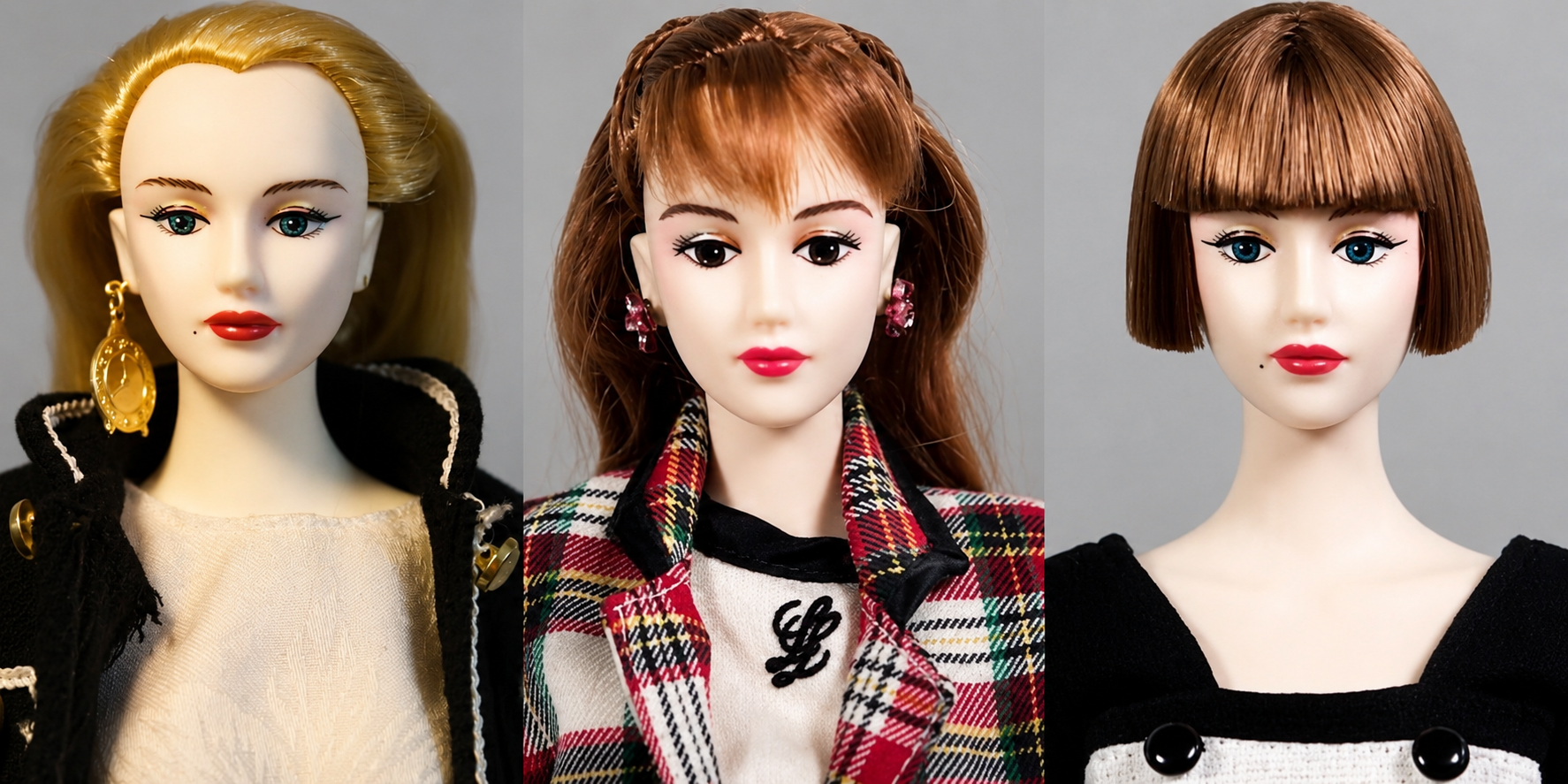
Lady Luminous: The Japanese Fashion Doll That Arrived Before the Collector Market
Long before Fashion Royalty, Gene Marshall and modern collector dolls, Takara's Lady Luminous redefined what a fashion doll could be. Explore the history of this groundbreaking 1988 Japanese fashion doll, its luxury design, realistic proportions, and lasting influence on collector culture.
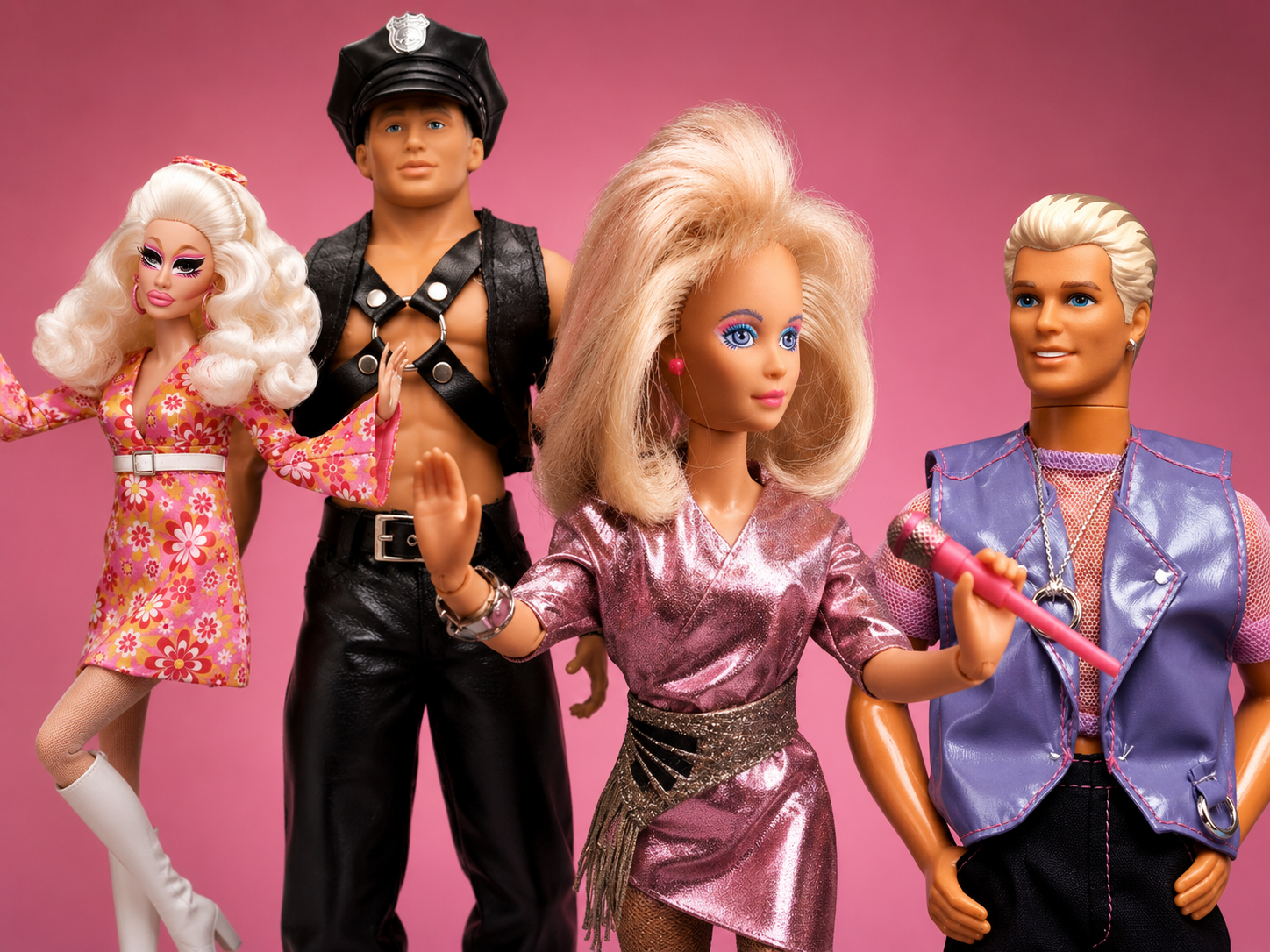
Plastic Closets: Fashion Dolls, Queer Identity, and the Performance of Self
From Gay Bob and Earring Magic Ken to RuPaul and Trixie Mattel, this essay explores how fashion dolls became unlikely icons of queer identity, camp, drag, and gender performance — revealing how dolls have long shaped ideas about selfhood, glamour, and reinvention.
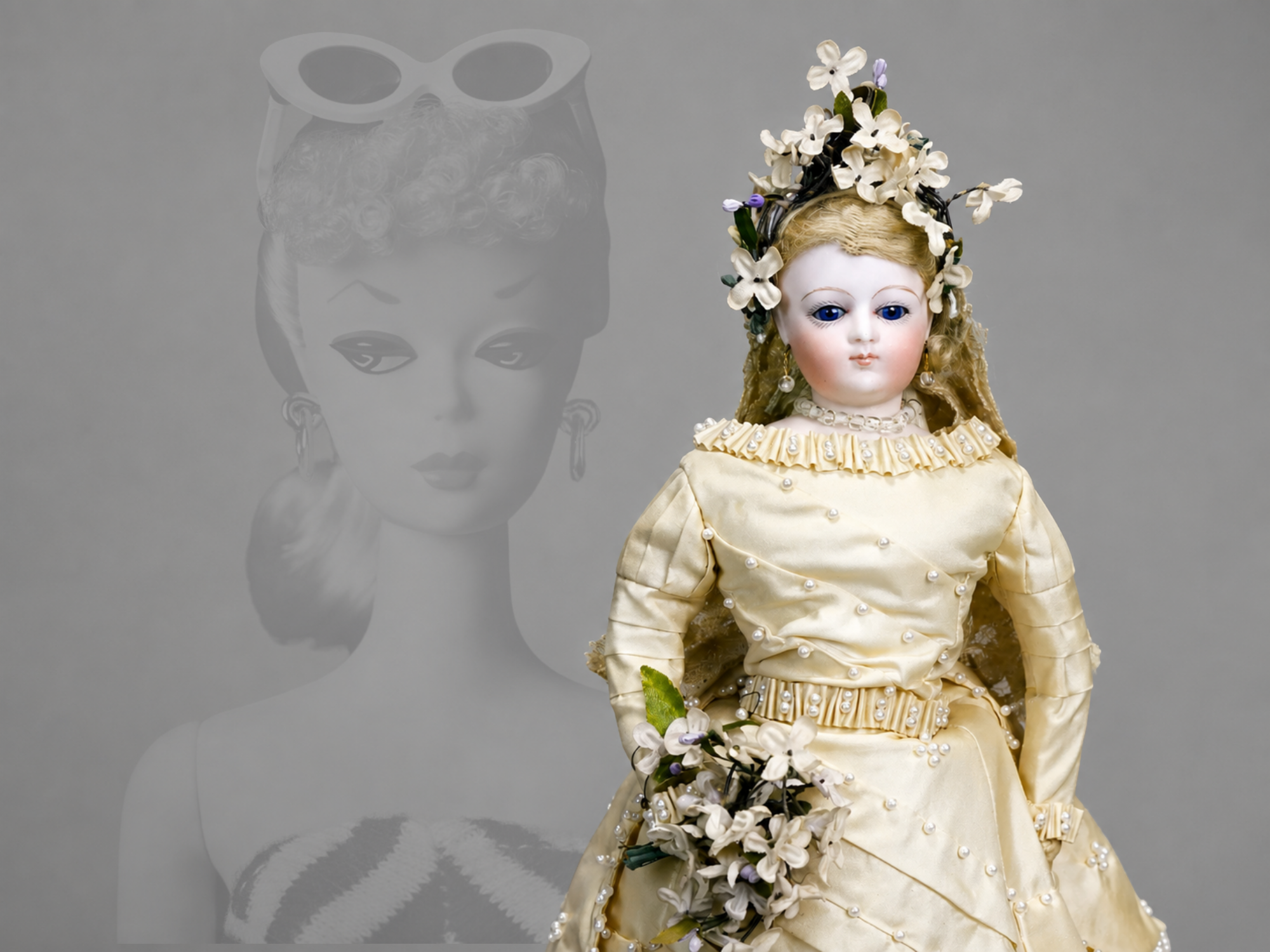
Before Barbie: How French Fashion Dolls Invented Modern Desire
The nineteenth century French fashion doll industry helped shape modern ideas of beauty, luxury, femininity, and consumer desire long before Barbie, social media, and influencer culture transformed aspiration into spectacle.
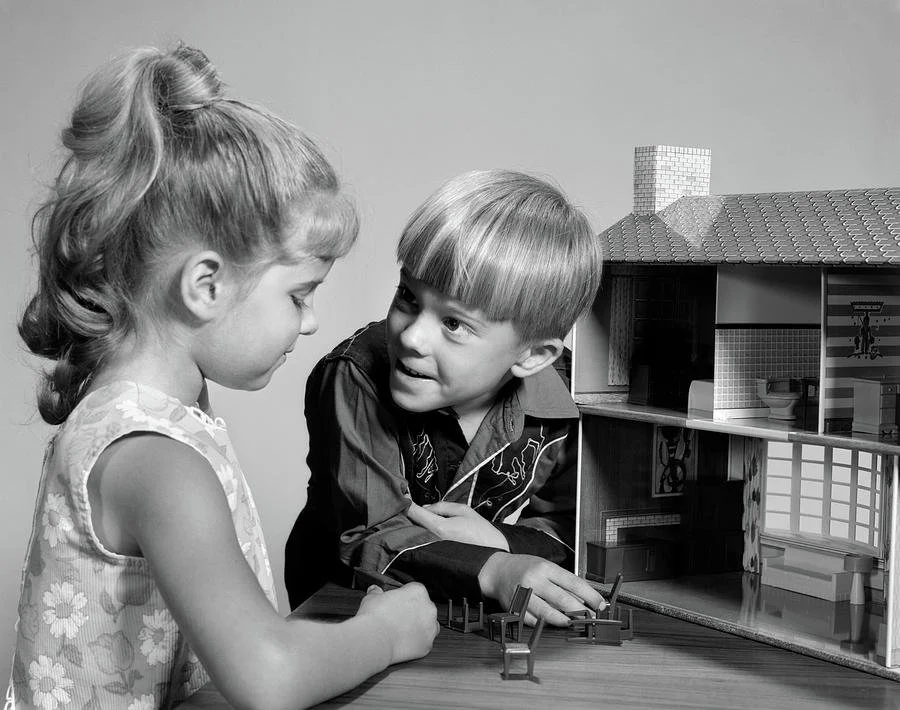
Why Dolls Matter More Than You Think: Identity, Culture, and Representation
In this foundational essay, Dr. Erick DuPree examines dolls as complex cultural artifacts rather than simple objects of play, and traces dolls from prehistoric ritual figures to contemporary collectibles, showing how they encode beliefs about gender, identity, and social order.
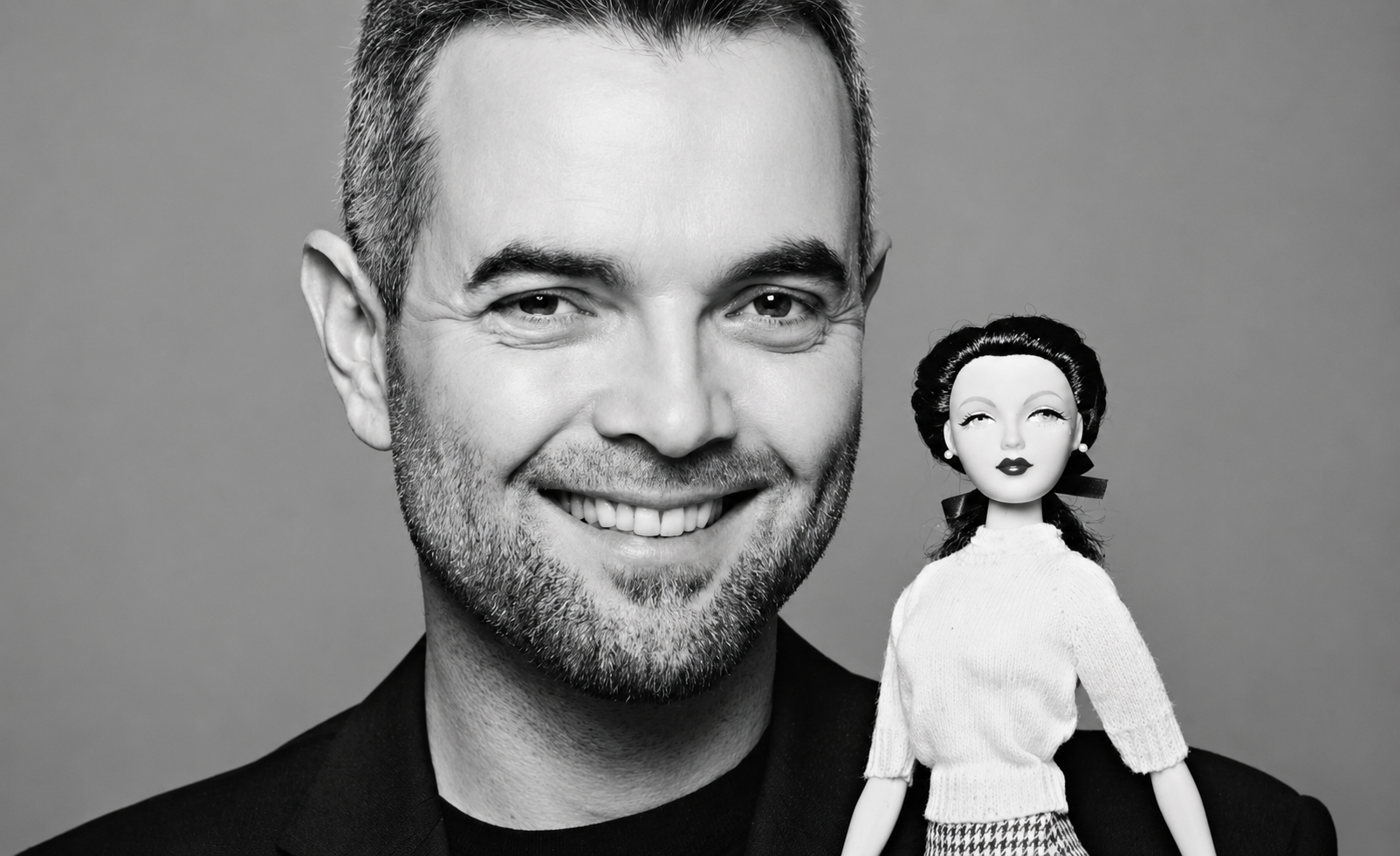
How Mel Odom’s Gene Revolutionized the Modern Fashion Doll
Discover how Mel Odom and Gene Marshall revolutionized modern fashion doll collecting through Old Hollywood glamour, 16-inch scale, storytelling, articulation, and the rise of adult collector culture.
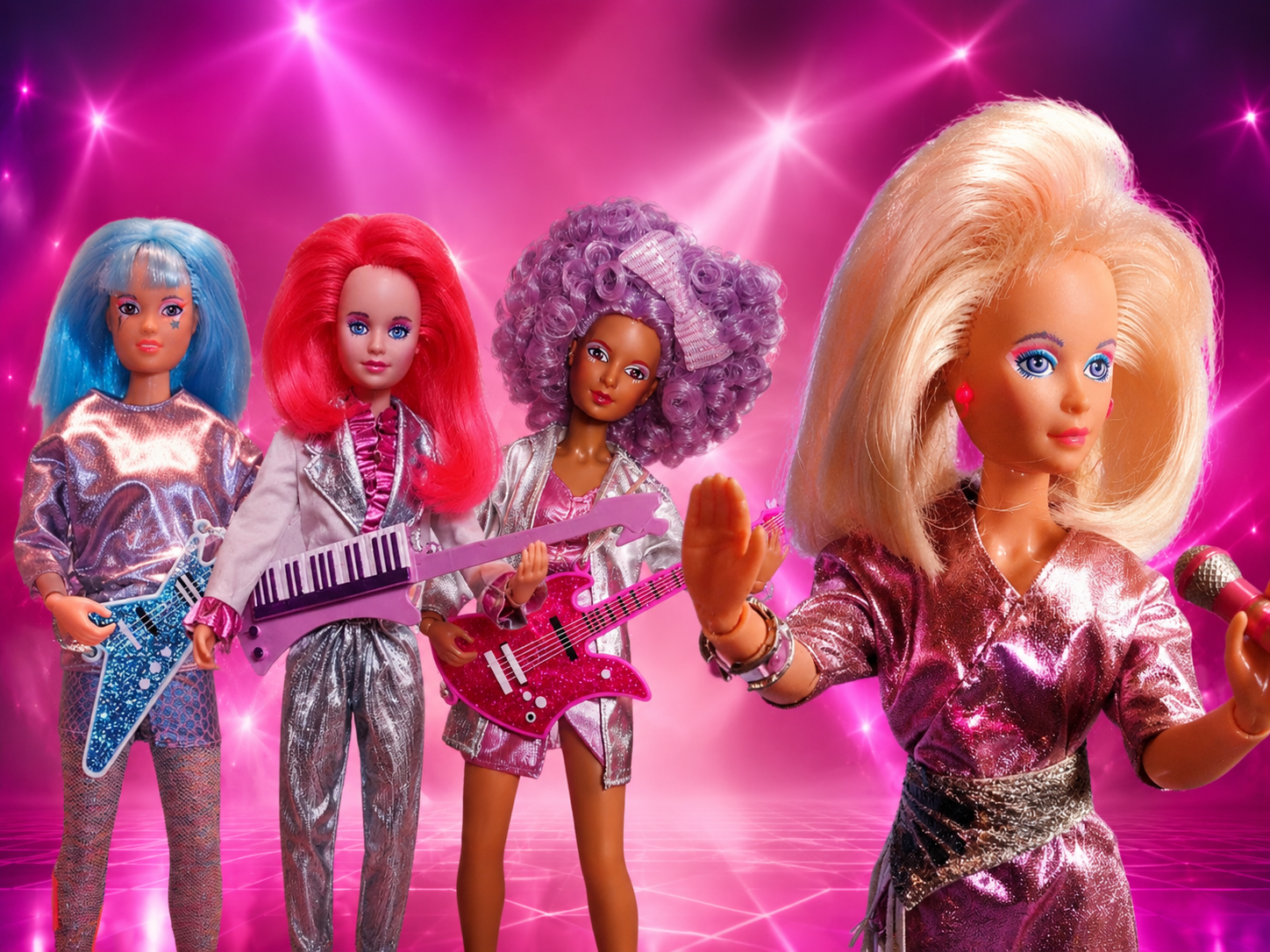
Truly Outrageous: Jem and the Holograms and the Glittering Dreams of the 1980s
Explore Jem and the Holograms as a cultural artifact of the 1980s. Through dolls, fashion, music, MTV aesthetics, and celebrity culture, this material culture study examines how Jem captured the decade's dreams of fame, transformation, technology, and self-expression.
What Kind of Doll Collector Are You?
Why do people collect dolls? From Historians and Artists to Nurturers and Aesthetes, every collector brings a different motivation to the hobby. Explore the doll collector characters that shape collections and discover what your dolls might reveal about you.
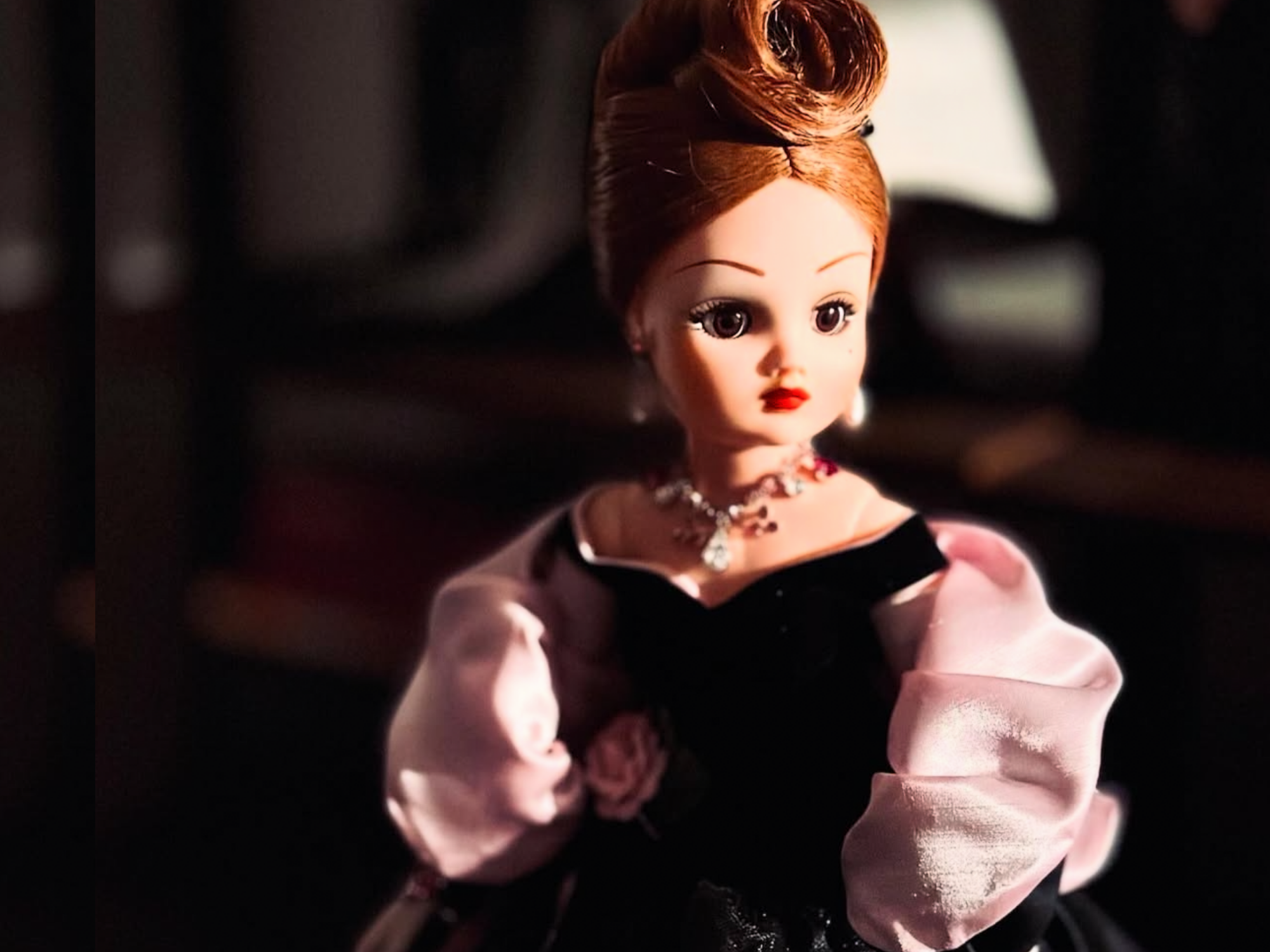
Before Barbie, There Was Cissy: Madame Alexander’s Glamour Doll
Before Barbie, there was Cissy. Discover the history of Madame Alexander’s glamorous 1955 fashion doll, her impact on American culture, mid-century femininity, luxury fashion, and the late-1990s collector revival that reintroduced Cissy to a new generation.
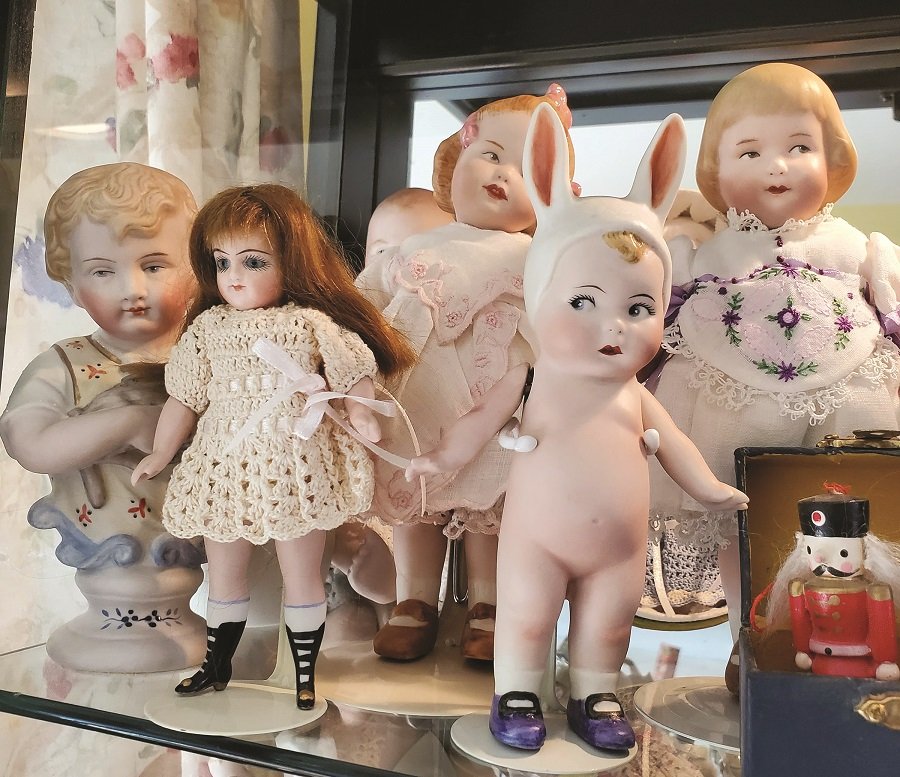
5 Things I’ve Learned Researching Dolls
5 things learned from studying dolls, including gender, queer identity, material culture, memory, collecting, childhood, glamour, and emotional attachment.
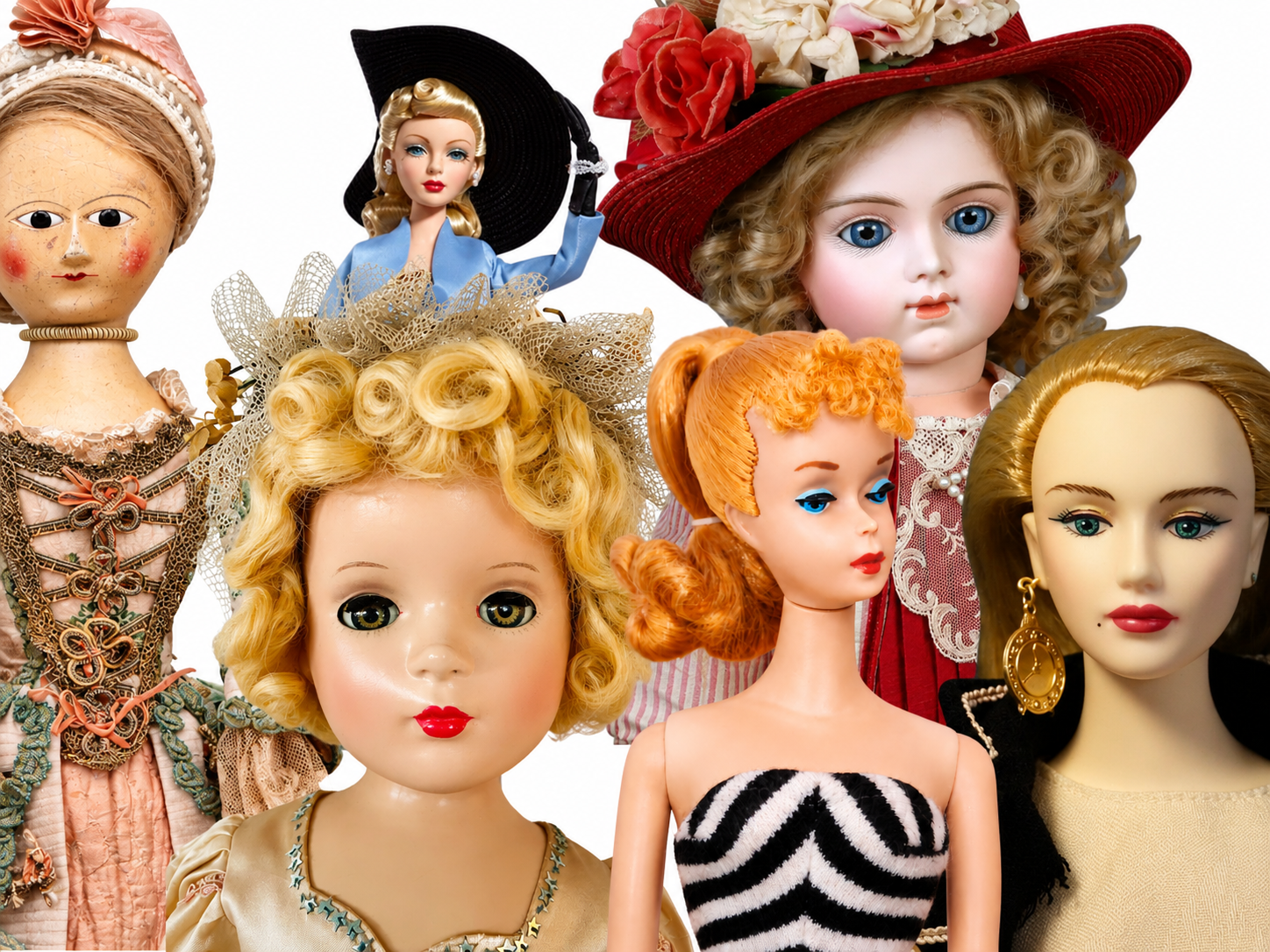
You Study Dolls, But Do You Collect Them?
Anthropologist and doll collector Dr. Erick DuPree explores a lifelong love of dolls, from Barbie and Bob Mackie to Gene Marshall and vintage Cissy. A personal essay on collecting, beauty, shame, memory, masculinity, and reclaiming the things that helped us survive.
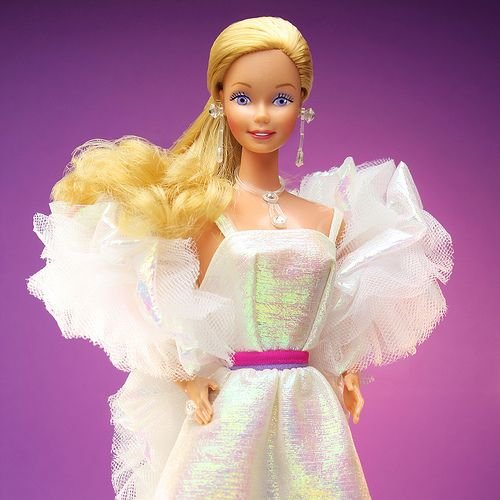
The Doll I Was Never Supposed to Want
At five years old, I wanted Crystal Barbie more than anything. I never received her. Instead, I watched my cousin unwrap Peaches ’n Cream Barbie while I quietly learned that beauty, glamour, and softness were not things a little boy was supposed to want.
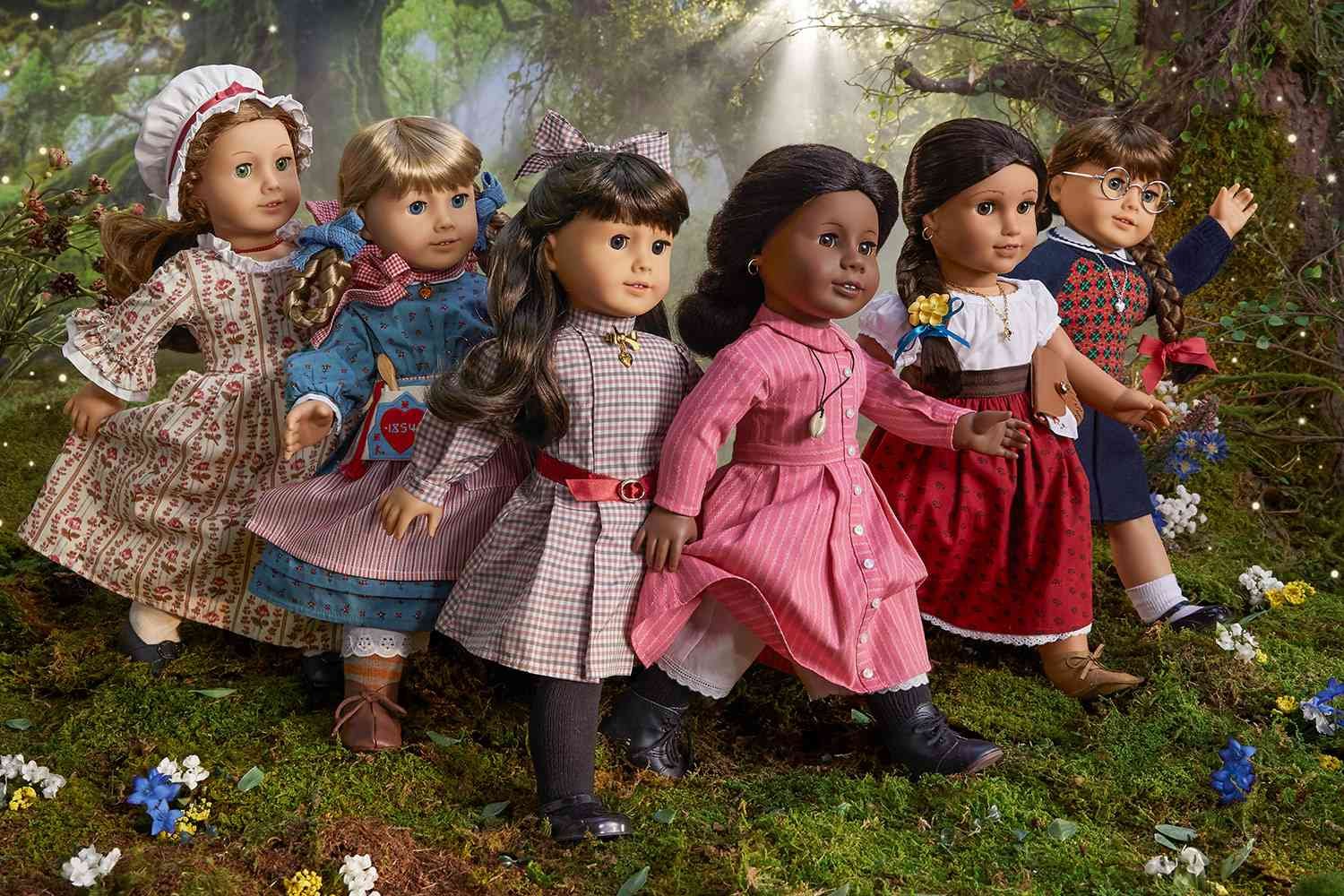
Inheritance and Attachment: Why We Keep Dolls Long After Childhood
Dr. Erick DuPree explores the emotional persistence of dolls as objects of memory, grief, kinship, and identity and examines heirloom dolls, adult collecting, nostalgia, and the ways ordinary objects become repositories of attachment and relational history long after childhood ends.
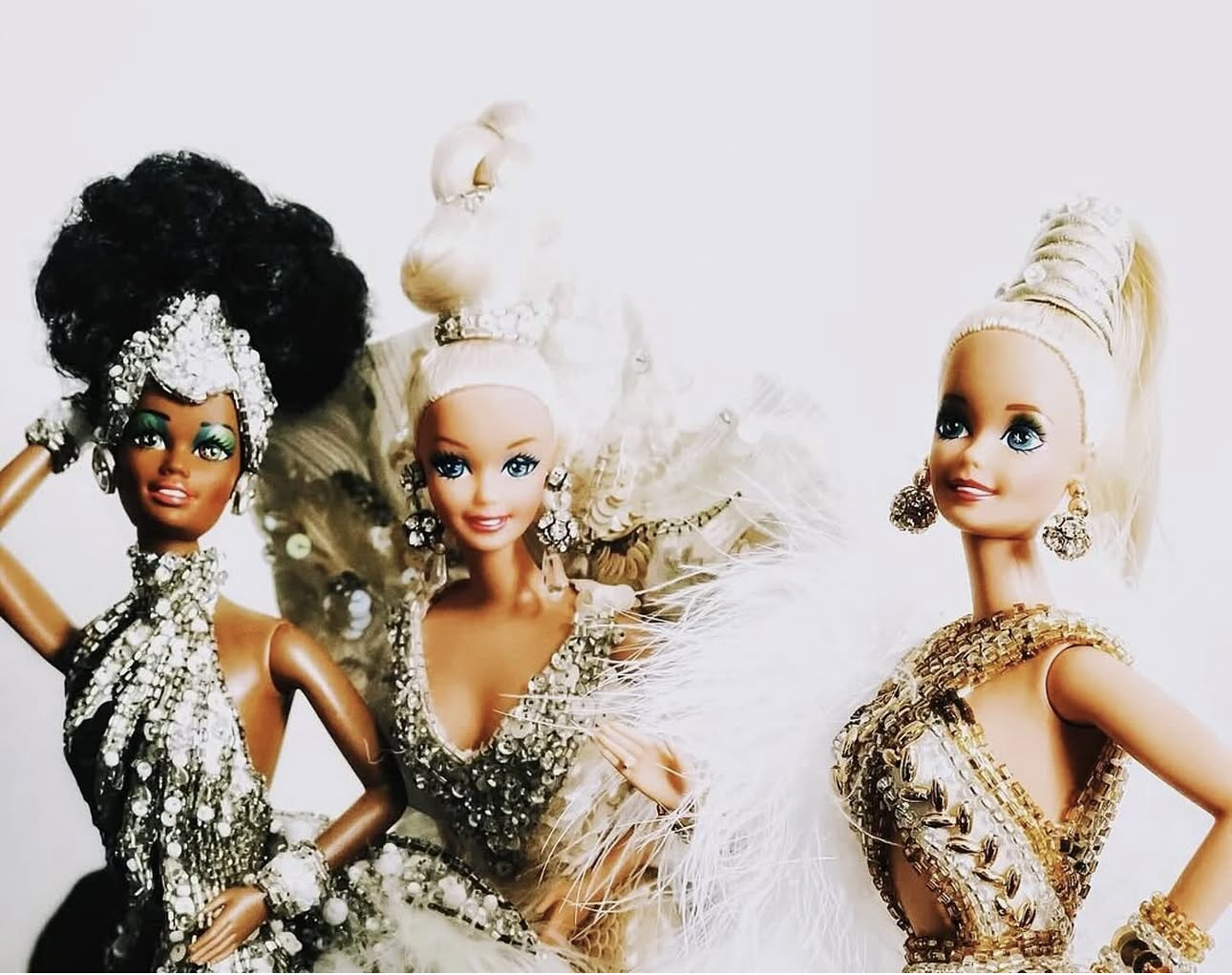
The Golden Idol of Bob Mackie Barbie: A Reclaimation
Blending personal narrative with cultural analysis, this essay reflects on the lasting impact of the Bob Mackie Gold Barbie on a childhood shaped by rigid gender expectations. Erick DuPree explores the tension between desire and shame, and how a forbidden object became a quiet symbol of identity, creativity, and resistance. As an adult, returning to dolls becomes an act of reclamation, reconnecting with parts of the self that were once suppressed.
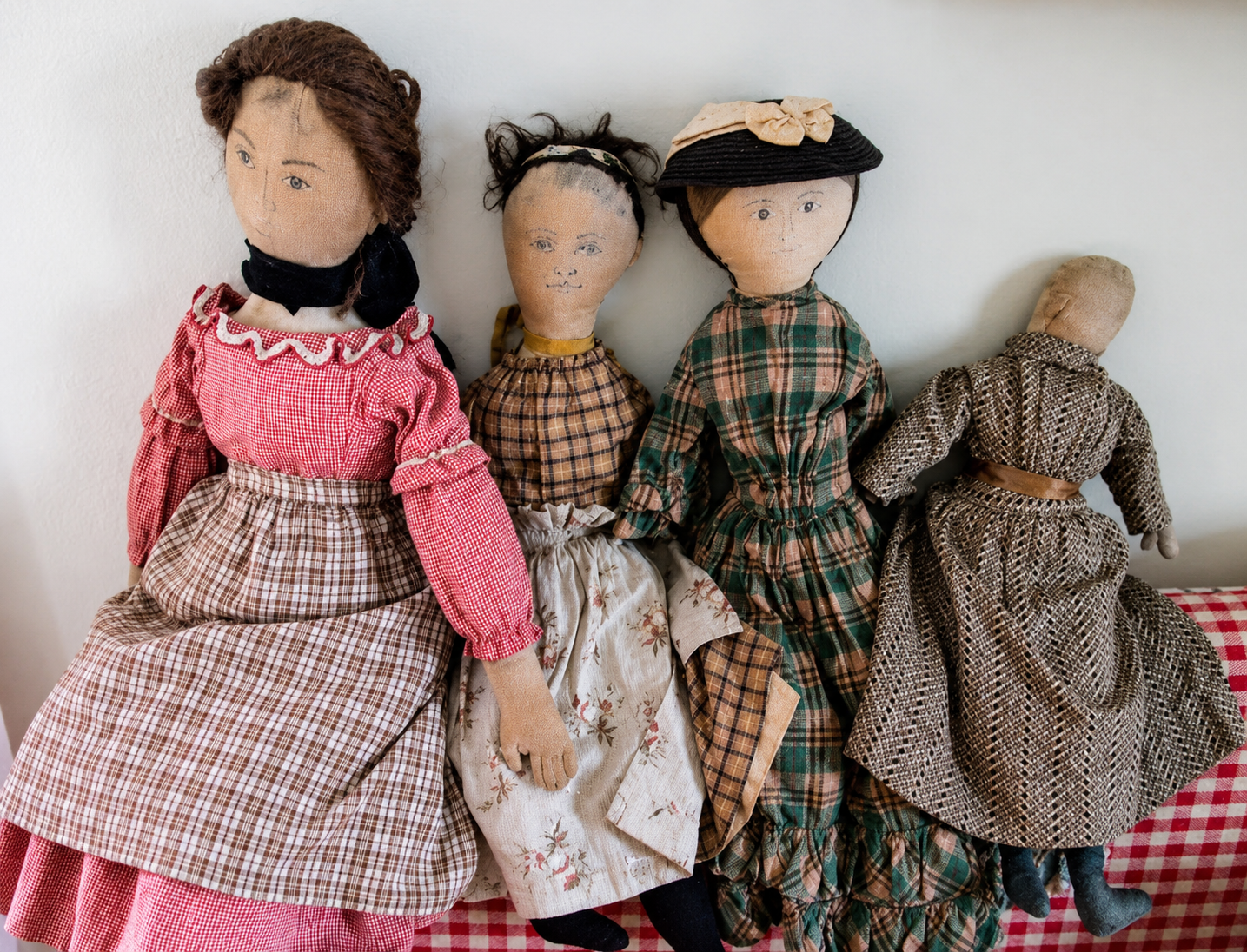
Folk Dolls and the Stories They Hold: Ethnography, Oral History, and Material Memory
Folk dolls carry more than cloth, clay, wood, or thread; they carry memory. Passed through generations and preserved in homes, markets, and family collections, these handmade figures function as vessels of oral history and cultural continuity.
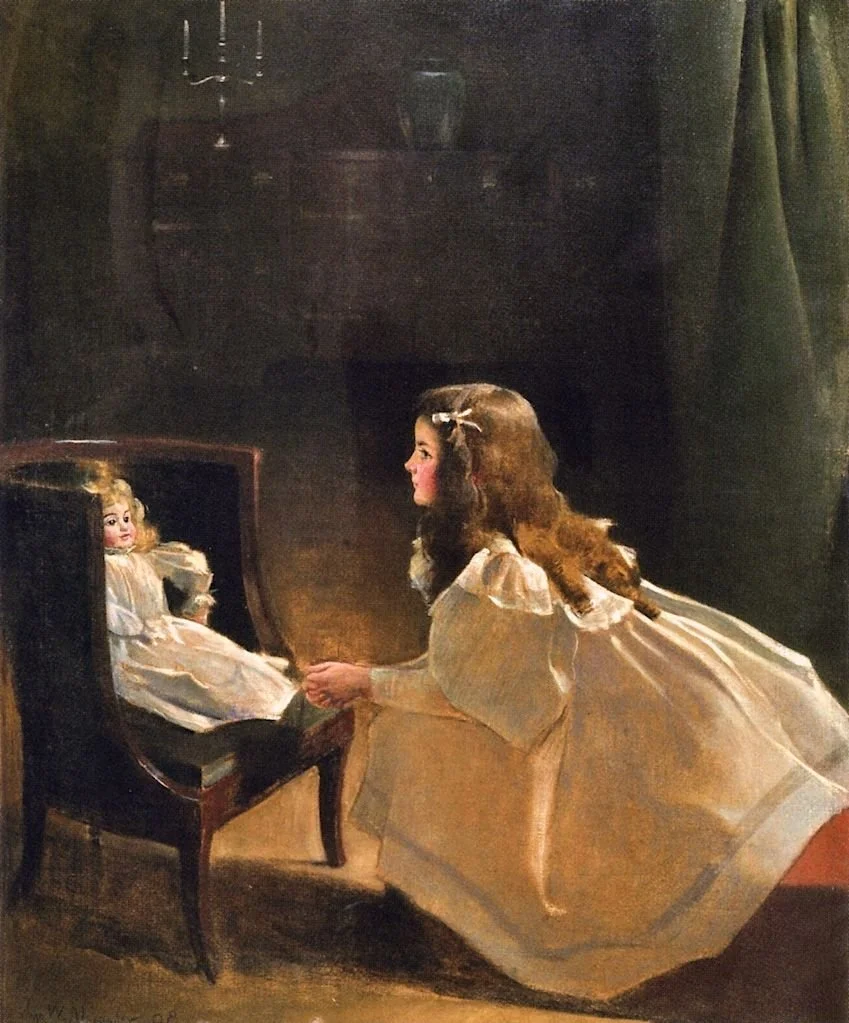
The Secret Emotional Life of Dolls: Attachment, Identity, and Belonging
Dolls are never just toys. They are cultural mirrors through which societies teach kinship, gender, care, race, fantasy, and belonging. From childhood socialization and maternal role rehearsal to queer self-fashioning, racial representation, collecting cultures, and ritual traditions, dolls reveal the deeply relational nature of human identity.
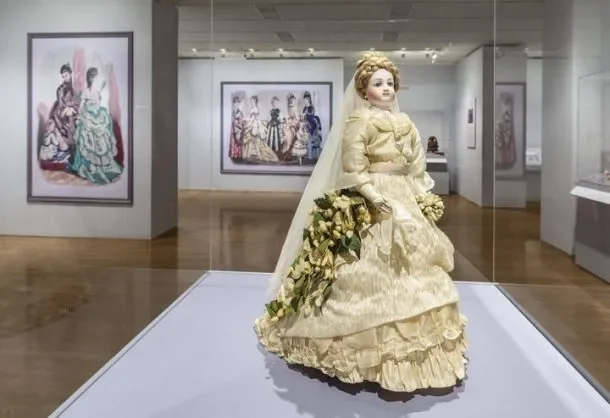
Stitching the Ideal: Victorian Dolls, Discipline, and the Performance of Womanhood
This critical review of Little Ladies: Victorian Fashion Dolls and the Feminine Ideal at the Philadelphia Museum of Art explores how nineteenth-century dolls were used to shape and discipline ideals of femininity. The article interrogates its limitations, particularly its omissions around race, regional variation, and the invisible labor behind the objects.
- hasbro
- memory
- takara dolls
- dolls and identity
- barbie doll
- earring magic ken
- folk dolls
- japanese fashion dolls
- collecting
- research
- gay billy doll
- jem and the holograms
- jem
- archetypes
- dolls beyond play
- Gene Marshall Doll
- exhibit
- 1980s
- fashion doll history
- psychology of dolls
- americana
- kinship
- fashion dolls
- anthropology of doll
- deux ll doll
- ethnography of dolls
- Cissy
- Madame Alexander
- museum
- antique dolls
- queer history
- Mel Odom
- lady luminous