What Dolls Taught Me About Being Human
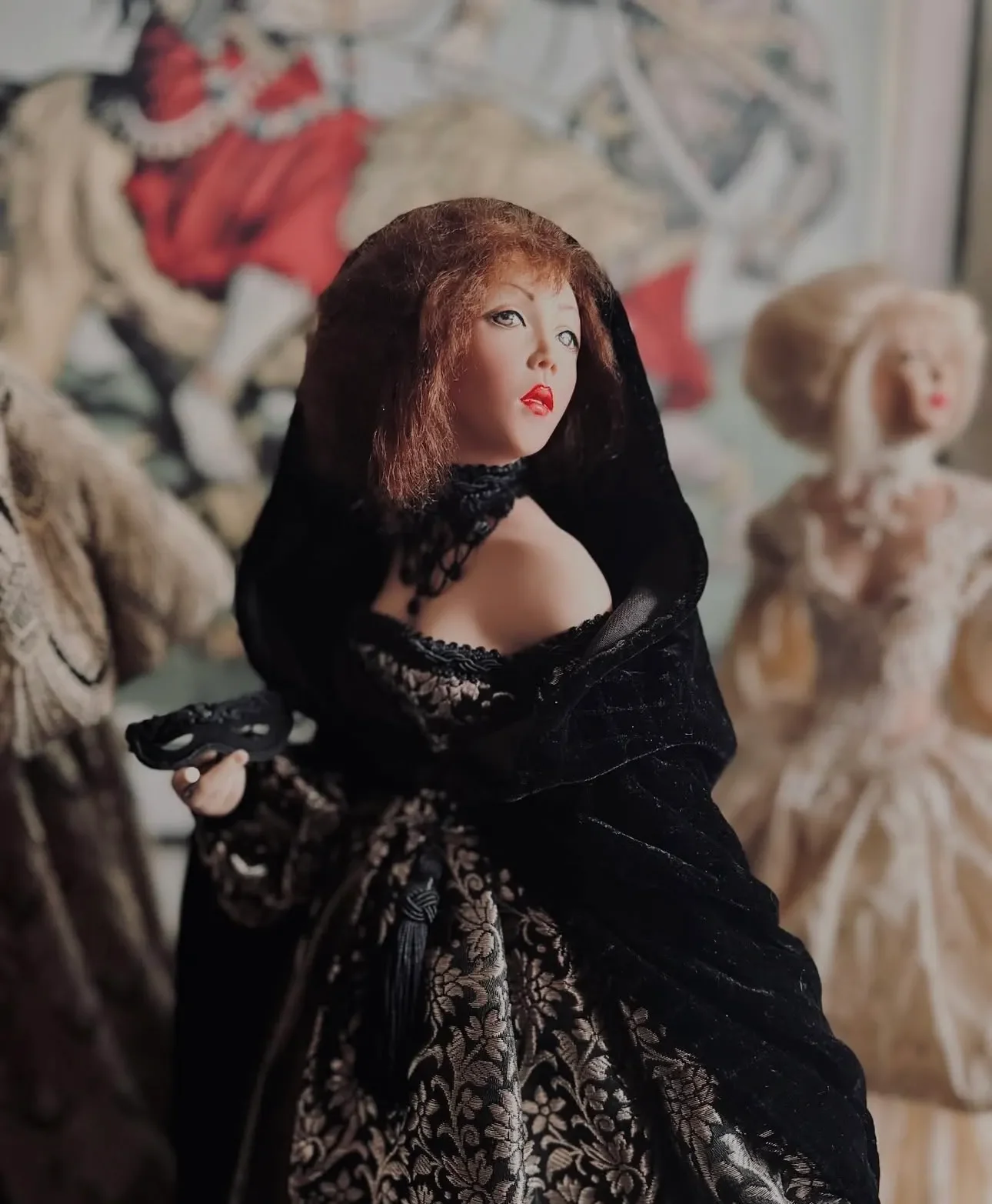
Raphella by Monica Mechling
I did not set out to become a scholar of dolls. Even writing that sentence feels a little strange. Few know that tucked away in my attic study are two lifelong companions: books and dolls. The books make sense to people. The dolls usually require an explanation.
What surprises people is that I have loved dolls for as long as I can remember. Long before I studied them, wrote about them, or spoke about them publicly, I was drawn to them. Yet that attraction was complicated. It carried with it a sense of confusion, secrecy, and shame that took me many years to understand.
As a child, I desperately wanted dolls. I remember seeing them in stores, in television commercials, and in the homes of friends. They seemed magical to me. They weren’t simply toys; they were worlds unto themselves. They invited storytelling, imagination, and connection. Yet unlike many of my peers, I quickly learned that dolls were not something I was supposed to want.
No one ever sat me down and explained why. Instead, I absorbed the lesson through a thousand small signals. Dolls belonged to girls. Dolls were not for boys. Dolls were not for me. I understood the prohibition long before I understood its reasoning.
That contradiction stayed with me for years. I desired dolls while simultaneously feeling that desire was somehow wrong. I envied children who received dolls for birthdays and holidays. I wondered why they were allowed access to something that felt forbidden to me. More than once, I found myself wrestling with a question I could never quite articulate: Why is it acceptable for them to love these objects, but not for me?
Looking back, I realize that my fascination with dolls was never simply about the objects themselves. It was about what they represented. Dolls occupy a curious place in our culture. They are repositories for our ideas about gender, beauty, childhood, care, family, aspiration, and identity. The strong reactions people have to dolls—who should have them, who should play with them, and who should collect them—suggest that dolls carry far more cultural weight than most people are willing to admit.
Years later, in graduate school, I found myself returning to those childhood questions. Why do dolls provoke such powerful feelings? Why do some people cherish them while others dismiss them? Why do we draw such rigid boundaries around who is permitted to love them? What can these seemingly ordinary objects tell us about the societies that create them?
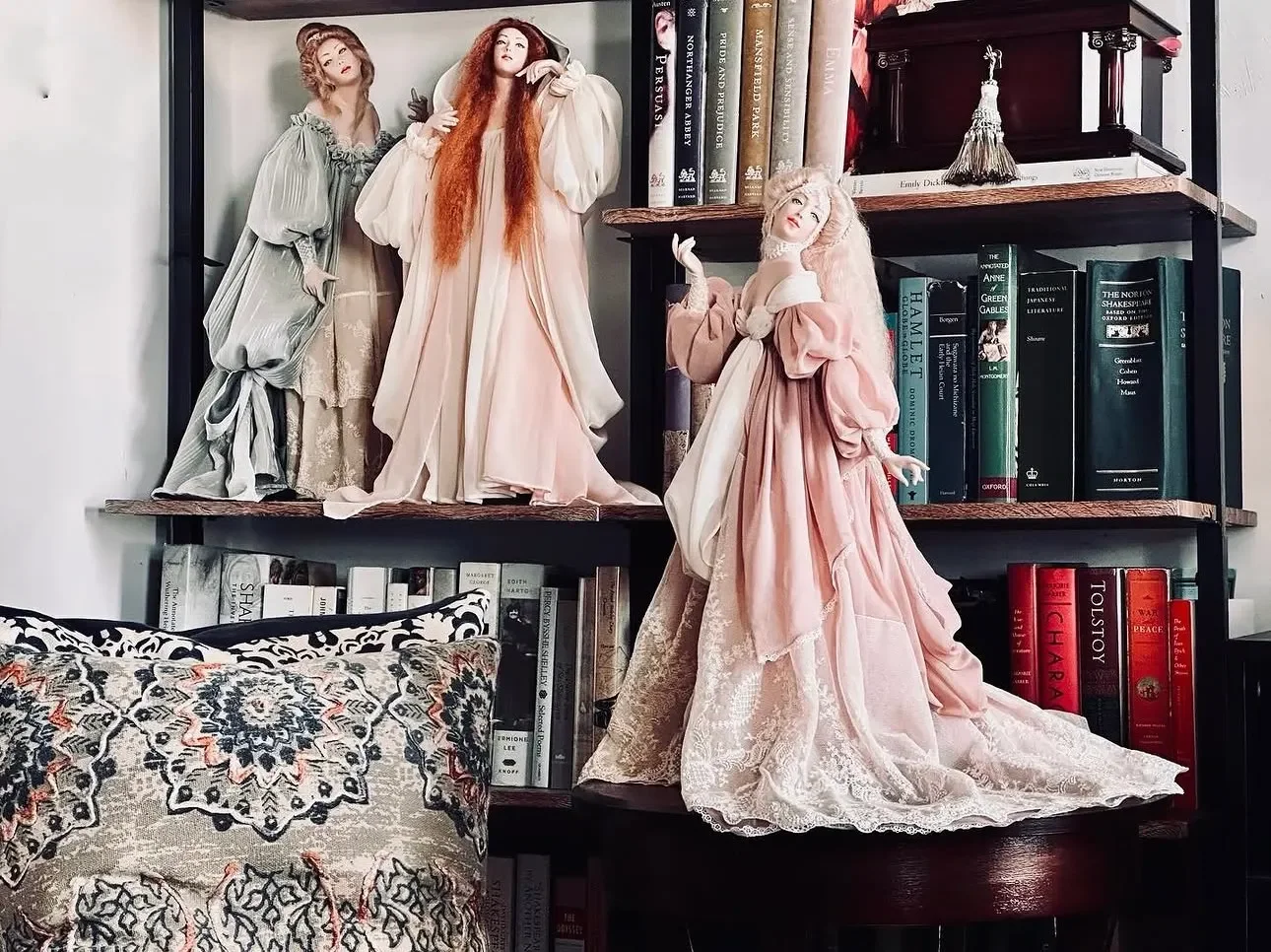
For years, however, the academy had little interest in those questions. The dismissal of what I felt was so valuable reinforced the same shame cycle of my childhood. So, my research on dolls lived alongside the work that paid my bills and built my career. I genuinely love that work, but the questions never disappeared. They lingered in the background, waiting patiently for my attention.
Those questions eventually became the foundation of my book, Dolls Beyond Play: The Cultural Significance of Dolls. In writing it, I wanted to challenge the assumption that dolls are merely toys or collectibles. Dolls are cultural artifacts. They sit at the intersection of history, identity, memory, aesthetics, commerce, and imagination. Through them, we can trace changing ideas about gender, beauty, childhood, race, class, and belonging. In many ways, dolls are miniature archives of human experience.
The longer I studied dolls, however, the more I realized that dolls were never really my subject. People were.
Social scientists have a habit of looking closely at things that others dismiss. We study clothing, food, rituals, architecture, and everyday objects because they reveal something about the people who create, use, and cherish them. Objects become clues. They help us understand how people make meaning in their lives, how they construct identity, and how they remember who they are. Dolls turned out to be especially rich clues.
Over the years, I have spoken with hundreds of collectors. What fascinates me is that conversations rarely remain focused on the dolls themselves for very long. A collector might begin by describing a particular doll—a rare composition doll from the 1930s, a beloved Barbie from childhood, or a French fashion doll passed down through generations—but before long the conversation shifts. Suddenly, we are talking about a grandmother who died years ago, a difficult childhood, a cherished friendship, or a period of life that feels impossibly distant now.
Again and again, I have watched people tell the story of a doll only to discover they are really telling the story of themselves.
This is one of the great misconceptions about collecting. From the outside, collecting can appear to be a simple act of acquisition. We imagine collectors as people who merely accumulate things. Yet after years of listening to collectors share their stories, I have become convinced that collecting is rarely about possession. More often, it is about preservation. People are not collecting objects as much as they are collecting memories.
The doll purchased with a first paycheck is not merely a doll. The doll rescued from an antique shop is not merely a doll. The doll inherited from a beloved relative is not merely a doll. These objects become containers for experiences, relationships, aspirations, and emotions. They hold stories that might otherwise be forgotten.
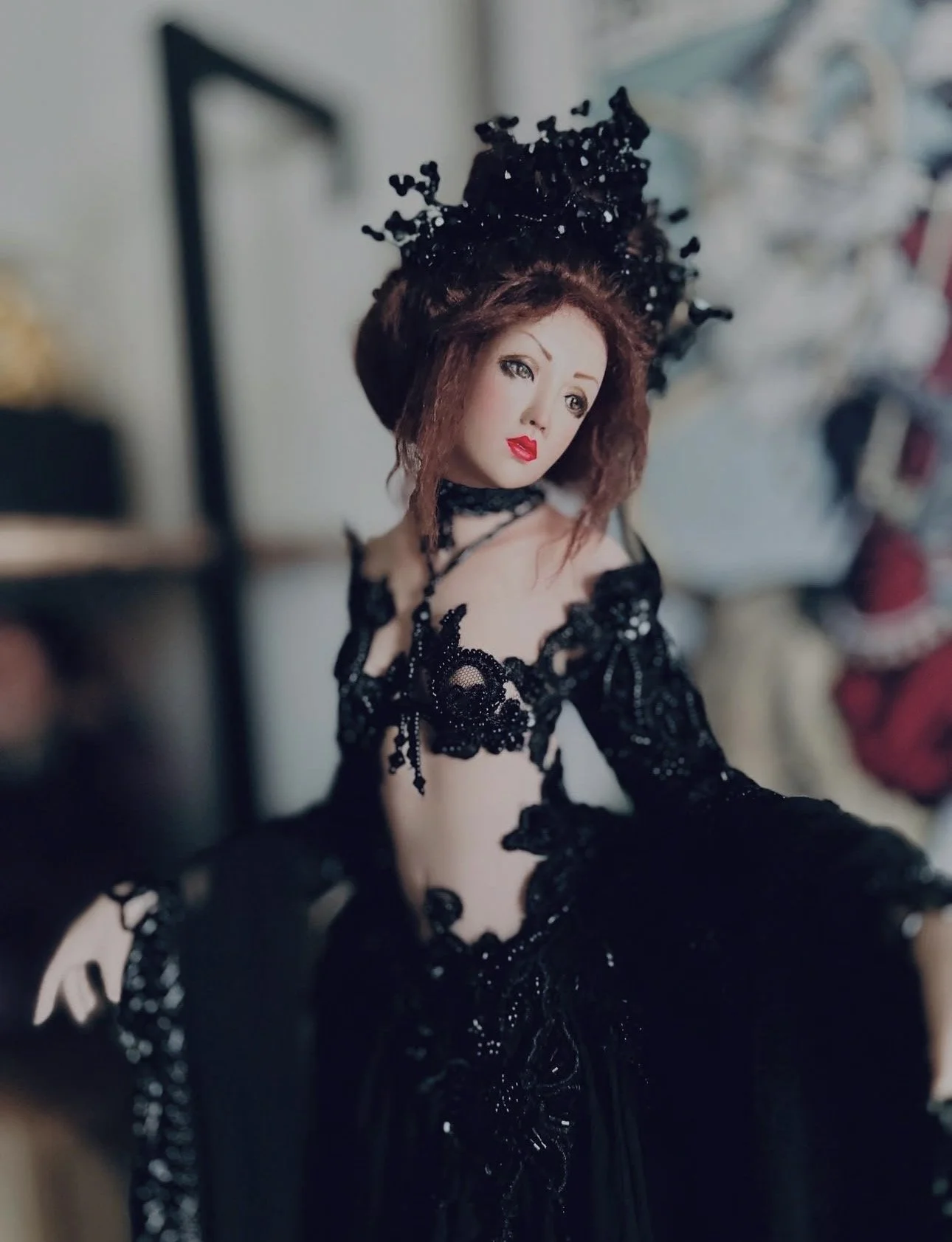
Nocturne by Monica Meachling
In this sense, every collection becomes a kind of autobiography.
Walk through someone’s collection and you begin to see the shape of a life. You see what captured their imagination, what they valued enough to save, and what they could not bear to part with. Collections are often far more honest than the stories we tell about ourselves because they reveal our attachments rather than our intentions.
Perhaps that is one reason dolls remain such powerful cultural objects. Unlike most collectibles, dolls are made in our image. They resemble us. They borrow our faces, our bodies, our fashions, and our social ideals. We project ourselves onto them with remarkable ease. We imagine their lives, invent their personalities, and assign them stories. In doing so, we reveal something about ourselves.
Throughout history, dolls have reflected changing ideas about beauty, gender, childhood, race, class, and identity. They tell us what societies value and what they fear. They reveal who is visible and who is excluded. A doll may be small, but it often carries an astonishing amount of cultural information.
These questions continue to shape my work. In recent years, I have become increasingly interested in the history of fashion dolls and what they reveal about culture. My current research explores the evolution of fashion dolls from early European fashion models to twentieth-century icons like Barbie and the countless dolls that followed in her wake. What interests me is not simply the dolls themselves, but what they reveal about aspiration, beauty, consumer culture, and identity. Fashion dolls have often been dismissed as trivial, yet they have shaped how generations of children—and adults—imagined themselves and the world around them.
This work has led me into conversations I never imagined having when I was that child staring longingly at dolls I was told were not for me. Next spring, I will have the privilege of speaking at the United Federation of Doll Clubs conference about collecting itself—why we collect, what collections reveal about us, and why dolls continue to matter in an age that often dismisses them as insignificant. The invitation feels meaningful not because it validates my work, but because it reflects a broader shift in how dolls are understood. More and more people are recognizing that dolls are not merely objects of nostalgia. They are artifacts of human experience. Yet for all the historical and cultural insights dolls provide, the most important lesson they have taught me is surprisingly simple: human beings are meaning-making creatures.
We do not live by practicality alone. If we did, museums would not exist. Family heirlooms would not exist. We would not save photographs, letters, wedding rings, ticket stubs, or the sweater hanging in the back of a closet because it still reminds us of someone we loved. Human beings constantly surround themselves with objects that carry emotional significance because those objects help us maintain a relationship with our past and with one another.
Dolls occupy that same territory. They remind us that objects matter not because of what they are, but because of what they mean. When I was young, I thought the question was why I wanted dolls when I wasn’t supposed to. Why these objects fascinated me while simultaneously making me feel ashamed. Why other children were permitted to love them while I was expected to look away.
Decades later, I realize the more interesting question was never about me. It was about culture. Why did dolls matter enough for society to care who was allowed to love them? What anxieties, aspirations, and assumptions were wrapped up in these small objects? And what could they teach us about ourselves?
Those questions led me to anthropology. They led me to collectors, museums, archives, and eventually to writing Dolls Beyond Play. They continue to guide my current research into the history of fashion dolls and my work with collectors around the world. Most surprisingly, those questions led me back to myself. In the end, studying dolls has taught me surprisingly little about dolls. It has taught me a great deal about being human.
